
Choosing a bathtub is about more than color and style. The material affects comfort, cleaning, heat retention, installation, and long-term value. For many homeowners, acrylic offers a practical balance of appearance, durability, and cost. It is lighter than cast iron, generally more refined than basic fiberglass, and available in many styles and finishes.
When homeowners research acrylic bathtub pros and cons, they are often trying to determine whether the material will fit their lifestyle, bathroom, and remodeling budget. Understanding the primary benefits of acrylic can help you make a confident decision.
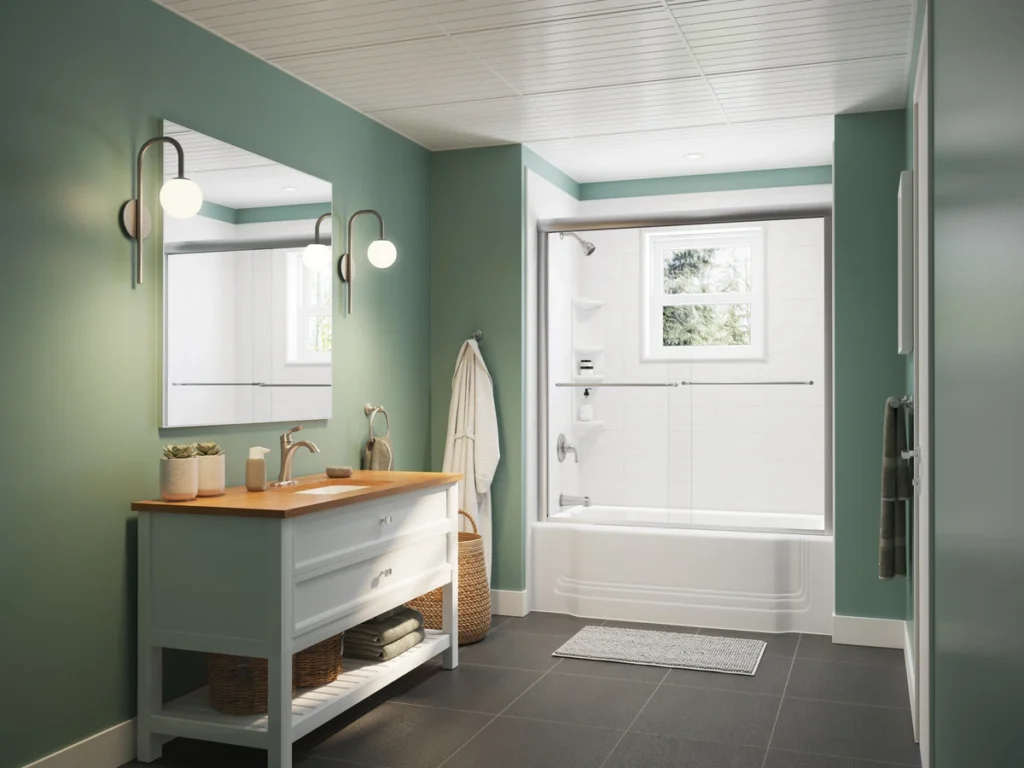
What Is an Acrylic Bathtub?
An acrylic bathtub is made from a heated sheet of acrylic formed into the shape of a tub. The material is usually reinforced from behind for strength and stability.
Acrylic is also used in custom bathtub liners and wall systems. These products can provide an updated surface without the extensive demolition required by some traditional remodels.
Performance can vary based on:
- Material thickness
- Reinforcement
- Base support
- Manufacturing quality
- Installation
- Cleaning and maintenance
Homeowners should evaluate the complete system rather than choosing a tub based on the word “acrylic” alone.
Advantages of Acrylic Bathtubs
1. Acrylic Offers Design Flexibility
Acrylic can be formed into many skirt styles, sizes, and configurations. It works for standard alcove tubs, soaking tubs, shower bases, custom liners, and tub-to-shower conversions.
Homeowners can also choose from different colors, wall patterns, shelving, and accessories. This flexibility makes acrylic suitable for both traditional and modern bathrooms.
2. The Surface Is Easy to Maintain
Acrylic has a smooth, nonporous surface. Soap residue and everyday grime tend to remain on top rather than soaking into the material.
Routine care is usually simple:
- Wipe the surface regularly
- Use a soft cloth or nonabrasive sponge
- Choose cleaners approved for acrylic
- Rinse away cleaning product residue
For busy households, this straightforward maintenance is a major advantage.
3. Acrylic Feels Comfortable
Metal and porcelain-enameled surfaces can feel cold when you first step into the tub. Acrylic tends to feel warmer and generally retains bathwater heat well.
That can be especially appealing during cold Colorado and Wyoming winters. Homeowners who enjoy longer baths may appreciate a surface that feels comfortable from the start.
4. It Is Lightweight
Acrylic weighs much less than cast iron and many stone-based materials. That can simplify transportation and installation, particularly in upstairs bathrooms.
A lighter tub still needs proper support. Plumbing, waterproofing, leveling, and base preparation remain essential.
5. Acrylic Balances Cost and Performance
Acrylic typically falls between entry-level fiberglass and premium materials such as cast iron, natural stone, or high-end composites.
It can be a good fit for homeowners who want:
- A polished appearance
- Good heat retention
- Multiple design options
- Less weight than traditional materials
- A moderate remodeling budget
Final cost depends on labor, plumbing, wall systems, accessories, and the condition of the existing bathroom.
6. Minor Damage May Be Repairable
Light scratches and small blemishes may sometimes be polished or professionally repaired, extending the usable life of the bathtub without complete replacement.
Repairs should follow the manufacturer’s recommendations. General-purpose fillers, adhesives, or abrasive polishing products can worsen the problem or affect warranty coverage.
7. Acrylic Works Well for Lower-Disruption Remodeling
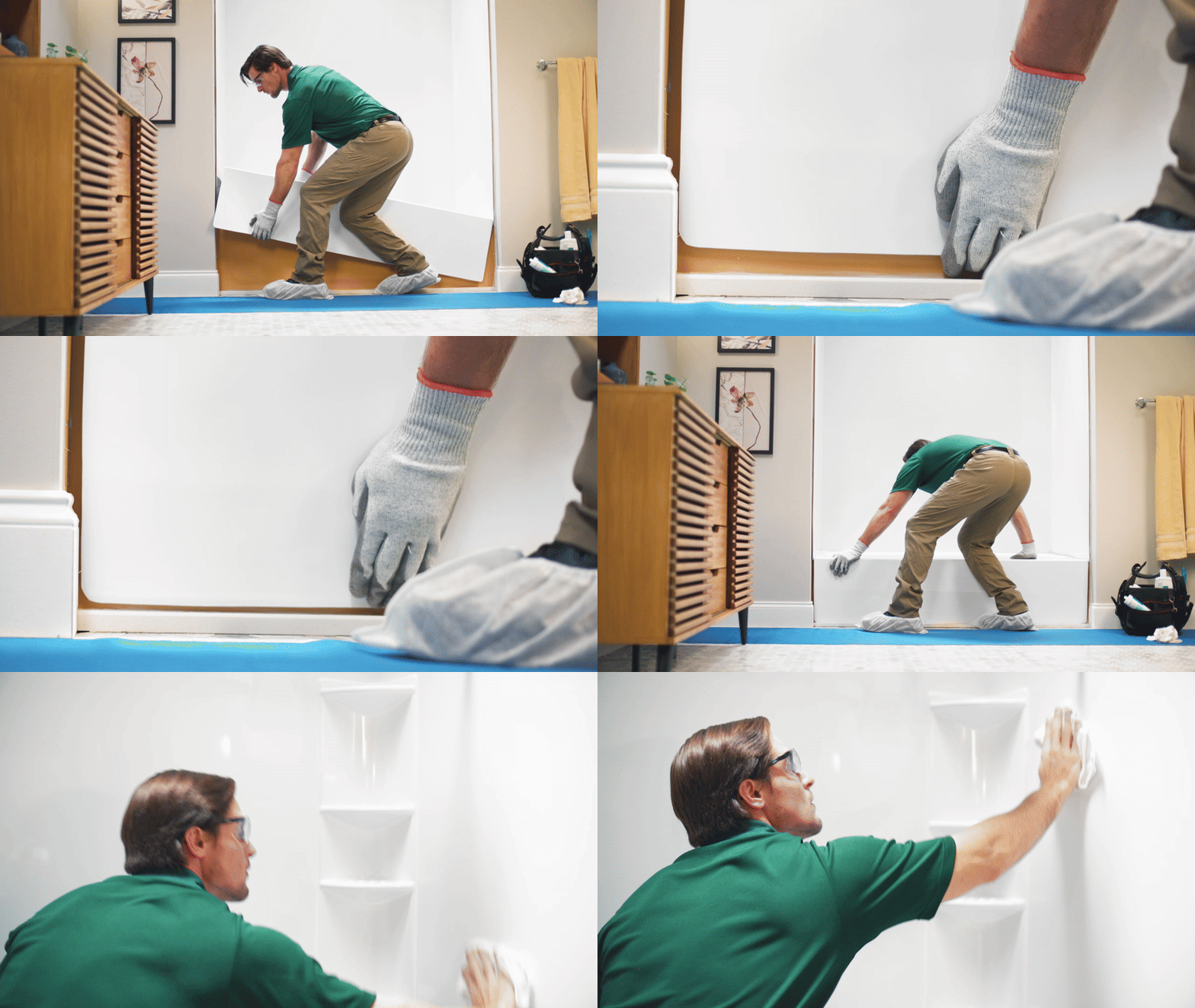
Acrylic is well suited to custom-fit bath systems. In qualifying bathrooms, a professionally measured liner or wall system may be installed over existing surfaces, reducing the need for a full tear-out.
This approach can help homeowners:
- Limit demolition and debris
- Reduce bathroom downtime
- Avoid disturbing nearby flooring or walls
- Update the space without rebuilding from the studs
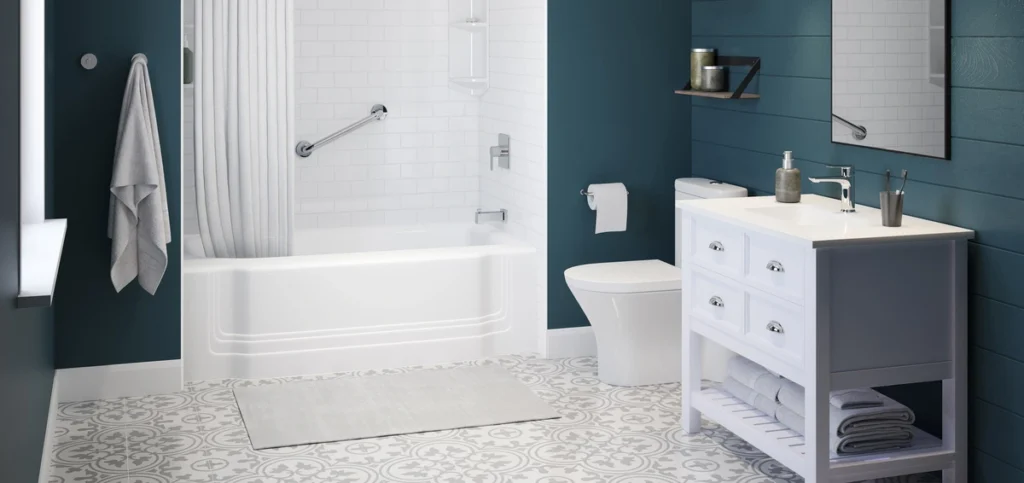
Getting the Best Results From an Acrylic Bathtub
Selecting a quality product, following appropriate care instructions, and working with an experienced installer can help homeowners get the greatest benefit from an acrylic bathtub.
Choose Acrylic-Approved Cleaning Products
Acrylic is easy to maintain when it is cleaned with products designed for the surface. Soft cloths, nonabrasive sponges, and manufacturer-approved cleaners are generally all that is needed for routine care.
Before using a new cleaning product, review the care instructions supplied with the bath system. Keeping an approved cleaner readily available can make ongoing maintenance simple and consistent.
Prioritize Proper Support and Installation
Acrylic bath systems are designed to be reinforced and supported. Professional installation helps ensure that the base is level, the plumbing is correctly connected, and the surrounding areas are properly sealed.
Correct preparation and installation can help the tub feel secure while protecting drains, seals, walls, and nearby finishes.
Compare the Complete Bath System
Two products marketed as acrylic can be constructed and installed differently. Thickness, reinforcement, molding quality, support, installation standards, warranty coverage, and service can all affect the finished result.
When comparing products, ask:
- How is the acrylic reinforced?
- How is the floor supported?
- Who completes the installation?
- What does the warranty cover?
- Who handles future service needs?
Looking beyond the initial advertised price can help homeowners choose a system that offers greater confidence and long-term value.
Acrylic Compared With Other Bathtub Materials
Each bathtub material offers a different combination of weight, comfort, appearance, and installation requirements. Acrylic stands out for combining many desirable qualities in one versatile material.
| Material | Weight | Comfort and Heat Retention | Care | Cost and Installation |
|---|---|---|---|---|
| Acrylic | Lightweight and easier to handle than steel or cast iron | Feels warm to the touch and retains heat well | Smooth, nonporous surface with straightforward routine care | Moderately priced and generally easier to install |
| Fiberglass | Lightweight | Provides basic comfort | Routine cleaning is generally simple | Usually one of the least expensive options |
| Porcelain-enameled steel | Heavier than acrylic but lighter than cast iron | Provides a traditional bathing surface | Maintained with products appropriate for porcelain enamel | Often affordable, with additional handling considerations |
| Cast iron | Extremely heavy | Excellent heat retention and a solid, substantial feel | Durable enameled surface | Typically more expensive and involved to transport and install |
Acrylic vs. Fiberglass
Both materials are lightweight, but acrylic generally offers a smoother finish, more design options, and a more substantial feel.
Fiberglass may have a lower upfront price, while properly maintained acrylic often preserves its appearance longer. Acrylic can be a strong fit for homeowners who want an affordable material with a more refined look and feel.
Acrylic vs. Porcelain-Enameled Steel
Porcelain-enameled steel provides a hard, traditional surface. Acrylic offers a warmer and lighter alternative that can be formed into a wider variety of configurations.
Its lower weight and design flexibility can make acrylic particularly appealing for customized bathroom remodeling projects.
Acrylic vs. Cast Iron
Cast iron is rigid, durable, and excellent at holding heat. Its considerable weight can make transportation and installation more involved. Acrylic provides a lighter and often more budget-friendly alternative for homeowners who want comfort and strong heat retention without the structural demands of cast iron.
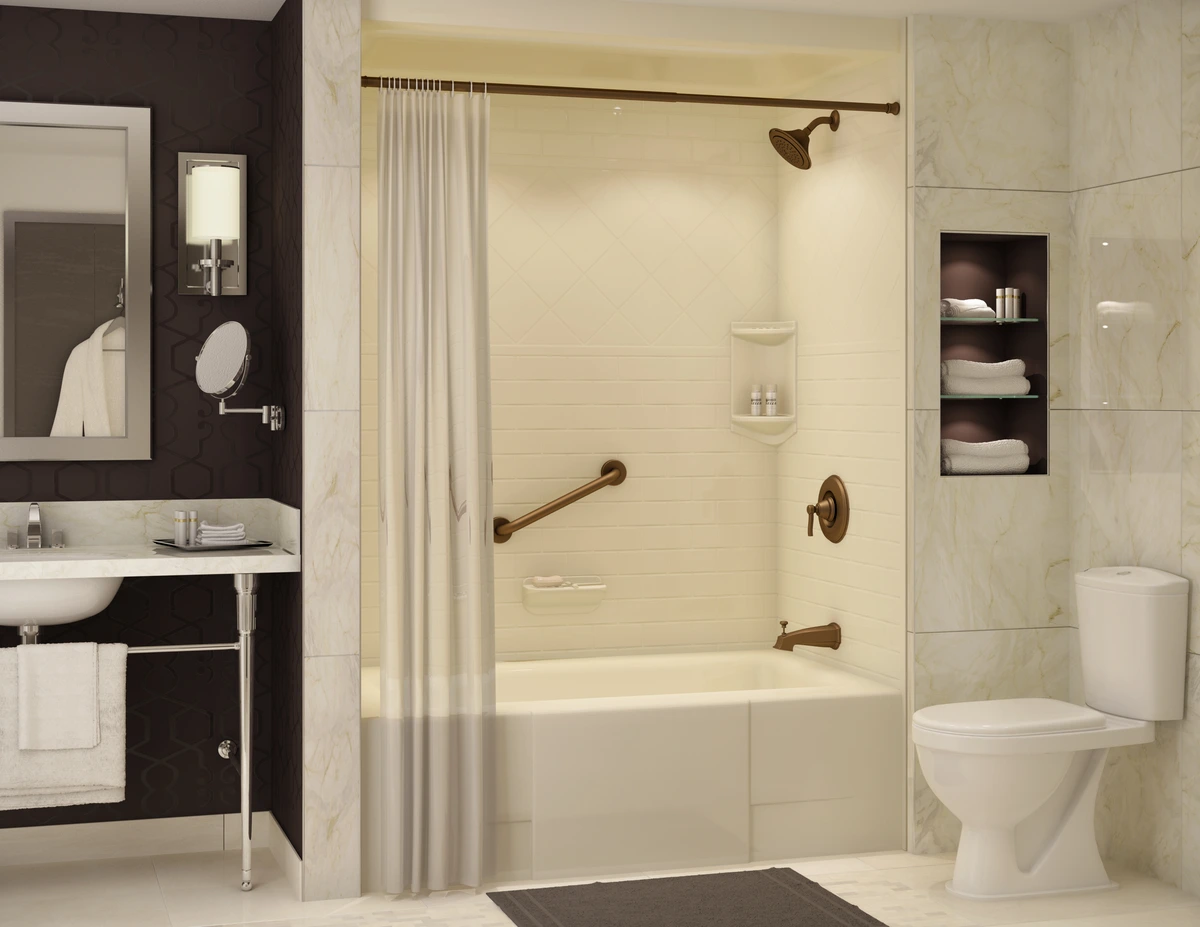
Is an Acrylic Bathtub Right for You?
Acrylic may be a strong choice when you want:
- A smooth, easy-care surface
- A warmer bathing experience
- Multiple style and accessory options
- A lightweight material
- A balance of price and durability
- A remodel with less demolition
Acrylic is especially well suited to homeowners who value comfort, flexibility, easy maintenance, and a streamlined remodeling process.
Before deciding, consider the condition of the current tub, plumbing, walls, subfloor, accessibility needs, and desired accessories. A professional in-home evaluation can help determine which acrylic bathtub, shower, or wall-system options are appropriate for the space.
Explore Acrylic Bath Remodeling Options
Acrylic offers a strong combination of comfort, versatility, easy maintenance, and value. Its design flexibility and lightweight construction make it suitable for a variety of bathrooms, while its smooth surface and heat-retaining qualities can improve the everyday bathing experience.
Choosing a quality product and working with experienced professionals can help ensure the bath system is properly measured, supported, installed, and maintained.
Bath Fitter of Colorado & Southern Wyoming offers custom-fit bath and shower solutions designed around the existing space. Schedule an in-home consultation to compare styles, discuss accessories, and determine whether an acrylic bathtub, shower, or tub-to-shower conversion is right for your bathroom. Contact us today!
Frequently Asked Questions About Acrylic Bathtubs
1. How long does an acrylic bathtub last?
A quality acrylic tub can provide many years of service. Longevity depends on construction, reinforcement, installation, usage, and maintenance. Gentle cleaning and following the manufacturer’s care recommendations can help protect the surface and preserve its appearance.
2. Can an acrylic bathtub be installed over an existing tub?
A custom acrylic liner can often be fitted over an existing tub if the fixture and surrounding area are suitable. An in-home evaluation is needed to check measurements, plumbing, stability, and moisture conditions before recommending an installation method.
3. Can acrylic be used for a tub-to-shower conversion?
Yes. Acrylic shower bases and wall systems are commonly used for tub-to-shower conversions. Homeowners may also add grab bars, seating, shelving, and handheld shower fixtures to create a space that better supports their preferences and accessibility needs.
4. Is acrylic a good choice for homes with children?
Acrylic is commonly used in family bathrooms. Its smooth, easy-care surface and warm feel can make it a practical choice for a shared bathroom. Parents may also consider slip-resistant features and built-in storage for bath toys and everyday products.
5. Is acrylic practical for pet bathing?
Yes. Acrylic’s smooth, nonporous surface is easy to rinse and maintain after bathing a pet. Keeping pet nails trimmed and using a manufacturer-approved protective mat can help preserve the finish.
6. How should I clean an acrylic bathtub?
Use a soft cloth or nonabrasive sponge with a cleaner approved by the manufacturer. Rinse the surface thoroughly after cleaning to remove any remaining product residue. Following a regular, gentle cleaning routine is usually enough to keep the bath system looking fresh.
7. Can accessories be added to an acrylic bath system?
Many systems can include grab bars, corner shelves, soap dishes, seating, and handheld shower fixtures. Accessories should be planned and properly anchored during installation, particularly when they are intended to provide physical support.
8. Does acrylic maintain its appearance over time?
Quality acrylic is designed to maintain its clean, polished appearance. Following the manufacturer’s care guide and using approved cleaning products provides the best protection for the surface. Professional service may also be available to address minor blemishes when appropriate.
9. Is an acrylic bath a good option for a rental property?
It can be. Acrylic is attractive, versatile, and easy to maintain, making it a practical option for many rental properties. Property owners can provide simple cleaning instructions to help tenants care for the surface correctly.
10. How do I identify a quality acrylic product?
Ask about thickness, reinforcement, base support, installation methods, warranty terms, and local service. A durable result depends on both the quality of the product and the workmanship used to install it.
