
Choosing the right bathtub involves more than appearance. Your bathroom’s layout, daily needs, maintenance preferences, and budget all play important roles in finding a bathtub that delivers lasting comfort and functionality.
With so many types of bathtubs available, how do you know which one is right for your home? And does upgrading your bathroom always require a complete bathtub replacement?
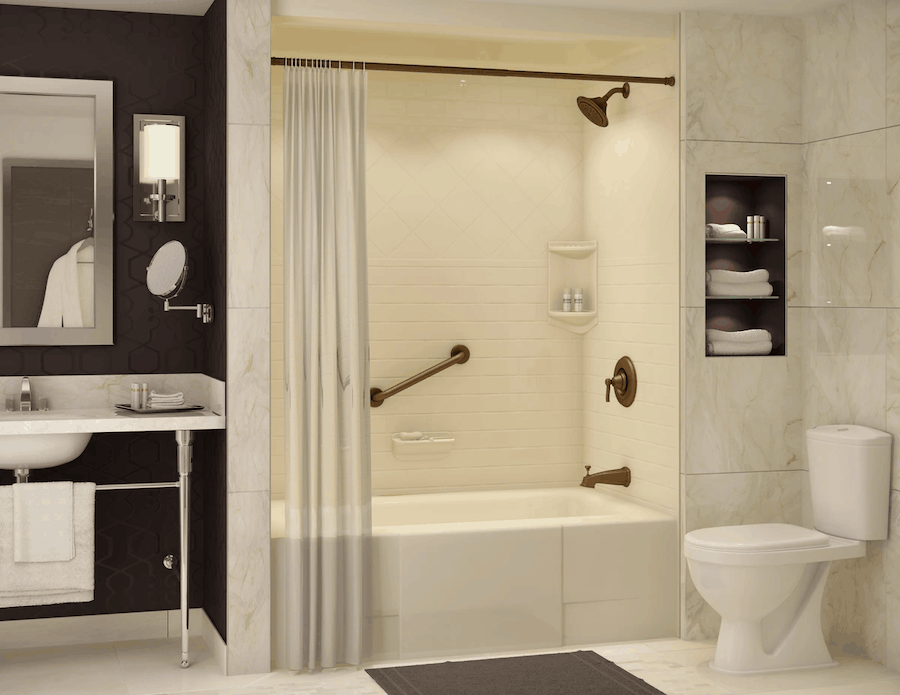
At Bath Fitter of Colorado & Southern Wyoming, we’ve helped homeowners transform their bathrooms since 2003. Our experienced employee installers, not subcontractors, specialize in custom-fit acrylic bathtub liners and bathtub replacements that combine durability, style, and easy maintenance.
Ready to upgrade your bathtub? Call 303-788-0200 today or contact us online for a free in-home consultation. Or keep reading to explore eight popular bathtub styles, compare their benefits, and discover which option best fits your bathroom and lifestyle.
What Are the Different Types of Bathtubs?
Not all bathtubs are designed for the same purpose. Some make the most of a compact bathroom, while others create a luxurious soaking experience or accommodate changing mobility needs.
The key is finding a bathtub that balances style, comfort, available space, and everyday practicality. Before making your decision, explore these eight popular types of bathtubs and what makes each one unique.
1. Alcove Bathtubs: A Practical Choice for Everyday Comfort
If you’re looking for a bathtub that combines functionality, affordability, and efficient use of space, an alcove tub is worth considering.
Installed between three walls, alcove bathtubs are among the most common options in residential bathrooms. Their straightforward design makes them particularly well-suited for bathtub replacements and shower combinations.
Key benefits:
- Maximize floor space in smaller bathrooms
- Easily accommodate bathtub-and-shower combinations
- Fit many existing plumbing configurations
- Generally offer more affordable installation than custom designs
What to consider: Alcove tubs have limited placement flexibility, and standard models may not offer the depth of specialty soaking tubs.
Best for: Family bathrooms, guest bathrooms, and homeowners seeking a functional, low-maintenance bathtub upgrade.
2. Freestanding Bathtubs: Make a Statement With Your Design
Want your bathtub to become the centerpiece of your bathroom? A freestanding tub offers a distinctive combination of elegance and relaxation.
Unlike built-in models, freestanding bathtubs stand independently of surrounding walls. From sleek, modern oval designs to traditional clawfoot styles, they can dramatically change a bathroom’s appearance.
Key benefits:
- Create an eye-catching focal point
- Offer numerous shapes, finishes, and design styles
- Allow flexible placement when space and plumbing permit
- Include options for deeper, more comfortable soaking
What to consider: Freestanding tubs generally require more floor space, and installation may involve relocating plumbing.
Best for: Spacious primary bathrooms and homeowners planning a design-focused renovation.
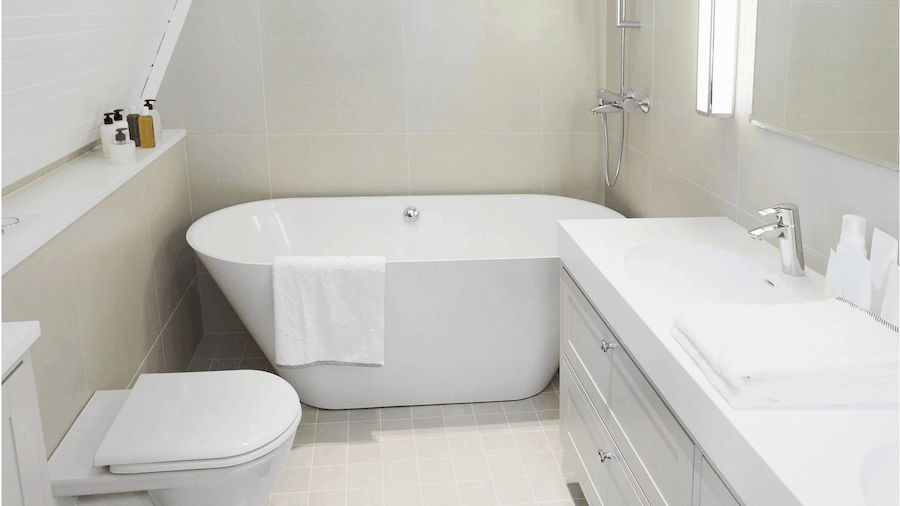
3. Soaking Bathtubs: Bring Spa-Like Relaxation Home
For homeowners who enjoy unwinding in a warm bath, a soaking tub offers a deeper, more immersive experience.
Unlike alcove or freestanding tubs, which describe installation configurations, soaking bathtubs are defined by their greater bathing depth. They come in several styles, making them adaptable to different bathroom designs.
Key benefits:
- Allow deeper water immersion for relaxation
- Offer comfortable shapes and ergonomic designs
- Come in freestanding and built-in configurations
- Typically require less mechanical maintenance than jetted tubs
What to consider: Deeper tubs use more water, take longer to fill, and may be harder to enter and exit.
Best for: Homeowners who regularly take baths and want a more relaxing bathing experience.
4. Drop-In Bathtubs: Create a Customized Bathing Space
If you want a bathtub that blends into your bathroom’s overall design, a drop-in model offers plenty of customization opportunities.
Drop-in bathtubs are installed inside a specially constructed platform or deck, which can be finished with tile, stone, or other water-resistant materials.
Key benefits:
- Coordinate with surrounding bathroom finishes
- Provide convenient deck space for bath essentials
- Offer a variety of shapes, sizes, and depths
What to consider: Constructing and waterproofing the surrounding platform adds to installation costs and requires additional space.
Best for: Custom bathroom remodels where a built-in bathtub complements the overall design.
5. Undermount Bathtubs: Achieve a Sleek, Seamless Look
For a clean, sophisticated bathroom design, undermount bathtubs offer a streamlined alternative to traditional built-in models.
Similar to drop-in tubs, undermount bathtubs are installed within a surrounding deck. However, their rims are concealed beneath the finished surface, creating a smooth, uninterrupted appearance.
Key benefits:
- Deliver a sleek, integrated appearance
- Complement contemporary bathroom designs
- Allow customized surrounding surfaces
What to consider: Installation requires careful planning, precise construction, and proper waterproofing.
Best for: Luxury bathroom renovations where seamless finishes and coordinated materials are priorities.
6. Corner Bathtubs: Make the Most of an Unusual Layout
Have a bathroom with an unconventional floor plan? A corner bathtub may offer an alternative to traditional rectangular designs.
Installed against two adjoining walls, corner tubs come in triangular, rounded, and other configurations. Some models also provide generous interior space for soaking.
Key benefits:
- Accommodate certain challenging bathroom layouts
- Offer spacious soaking configurations
- Create a distinctive built-in design
What to consider: Despite their corner placement, some models require more floor space than standard alcove tubs.
Best for: Bathrooms with unusual layouts or homeowners seeking a spacious built-in bathtub.
7. Whirlpool and Air Bathtubs: Enjoy a Spa-Inspired Experience
If relaxation is your top priority, a whirlpool or air bathtub can introduce massage-like features into your bathing routine.
Although often grouped together, these tubs operate differently:
- Whirlpool bathtubs: Use circulating water jets to create targeted streams.
- Air bathtubs: Release air bubbles for a gentler, full-body sensation.
Key benefits:
- Provide a spa-inspired bathing experience
- Offer different levels of water or air movement
- Come in several bathtub configurations
What to consider: Powered systems typically involve higher upfront costs, additional maintenance, and electrical installation requirements.
Best for: Homeowners who want enhanced relaxation features and are comfortable with additional upkeep.
8. Walk-In Bathtubs: Prioritize Accessibility and Comfort
For homeowners concerned about stepping over a traditional bathtub wall, a walk-in tub may provide a more accessible bathing option.
These bathtubs feature a watertight door with a lower entry threshold. Many also include built-in seating, grab bars, and handheld showerheads.
Key benefits:
- Reduce the height users must step over
- Offer seating and support features
- Accommodate certain mobility limitations
- Support some aging-in-place bathroom plans
What to consider: Users typically must enter before filling the tub and remain seated while it drains. Individual mobility and transfer needs should be evaluated before choosing a model.
Best for: Homeowners seeking an accessibility-focused alternative to conventional bathtubs.
Which Type of Bathtub Is Best for Your Bathroom?
The best bathtub depends on your space, bathing habits, accessibility needs, and remodeling budget.
Bathtub Type | Main Benefit | Best Application |
Alcove | Space efficiency | Family bathrooms |
Freestanding | Visual appeal | Spacious bathrooms |
Soaking | Relaxation | Comfort-focused renovations |
Drop-in | Customization | Built-in designs |
Undermount | Seamless appearance | Luxury bathrooms |
Corner | Layout flexibility | Unusual floor plans |
Whirlpool or air | Massage features | Spa-inspired spaces |
Walk-in | Easier entry | Accessibility-focused projects |
These categories can overlap. For example, a freestanding bathtub can also be a soaking tub.
What Are the Best Bathtub Materials?
The material you choose plays a major role in your bathtub’s durability, appearance, maintenance requirements, and overall cost. While several options are available, acrylic bathtubs have become a popular choice for homeowners seeking a balance of style, comfort, and easy maintenance.
Here’s how the most common bathtub materials compare:
- Acrylic: Lightweight, durable, and versatile, acrylic offers a smooth, nonporous surface that resists everyday staining and is easy to clean. Available in various styles and configurations, acrylic is an excellent option for homeowners who want a modern, low-maintenance bathtub without the upkeep associated with grout or porous materials.
- Fiberglass: An affordable, lightweight option that works well for budget-conscious projects. However, fiberglass surfaces may be more susceptible to scratching, fading, and wear over time.
- Porcelain-enameled steel: Offers a smooth, durable finish but may chip if struck, potentially exposing the underlying metal to moisture and corrosion.
- Cast iron: Known for its strength, durability, and heat retention. However, its substantial weight can make transportation and installation more challenging and expensive.
- Stone resin and solid surface: Often used in luxury freestanding bathtubs, these materials offer distinctive designs but may involve higher costs and specific maintenance requirements.

Why Acrylic Bathtubs Are Worth Considering
For homeowners who want a bathtub that looks great without demanding extensive upkeep, acrylic offers several practical advantages:
- Easy cleaning: Smooth, nonporous surfaces help prevent dirt and soap residue from becoming embedded.
- Long-lasting appearance: Quality acrylic maintains its attractive finish with proper care.
- Design versatility: Available in a variety of shapes, sizes, and finishes to complement different bathrooms.
- Comfort: Acrylic generally feels warmer to the touch than metal bathtub surfaces.
- Efficient installation: Lightweight construction can simplify handling and installation compared to heavier materials.
The takeaway: While every bathtub material has advantages, acrylic is particularly appealing for homeowners who prioritize durability, easy cleaning, and a beautiful finish that complements their bathroom remodeling goals.
Five Factors to Consider Before Choosing a Bathtub
The right bathtub should look great, fit your space, and make everyday bathing more comfortable. Before making your decision, consider these five factors:
- Bathroom Size and Layout: Measure your available space and consider existing plumbing, doors, and fixtures. Choosing a bathtub that fits your current layout can help reduce installation costs.
- Everyday Functionality: Think about how your household uses the bathroom. Families with young children may prefer a tub-and-shower combination, while homeowners who rarely take baths might benefit from a larger shower.
- Accessibility and Safety: Consider entry height, bathing depth, seating, and grab bars, especially if you’re planning to age in place. The U.S. Access Board offers guidance on accessible bathing features.
- Cleaning and Maintenance: Look for materials that are easy to care for. Smooth acrylic surfaces and grout-free wall systems can simplify cleaning and reduce ongoing maintenance.
- Total Remodeling Cost: Account for the bathtub, removal, plumbing, wall surrounds, and installation. A professional consultation can help you understand your options and avoid unnecessary expenses.
Expert Tip: A complete replacement isn’t always necessary. If your existing metal or stainless steel bathtub qualifies, a custom-fit acrylic liner can refresh your bathroom with less demolition. Fiberglass tubs are not eligible for bathtub liners.
Why Choose Bath Fitter of Colorado & Southern Wyoming?
A beautiful bathtub transformation starts with the right team. Even the highest-quality materials won’t deliver lasting results without precise measurements, proper installation, and experienced professionals who understand your bathroom’s unique needs.
Since 2003, Bath Fitter of Colorado & Southern Wyoming has helped homeowners transform outdated bathrooms into attractive, comfortable, and easy-to-maintain spaces. With more than two decades of experience, a commitment to quality craftsmanship, and BBB accreditation, we make bathroom remodeling simpler from consultation to installation.
Here’s what sets us apart:
- Over 20 Years of Experience: We’ve helped homeowners throughout Colorado and Southern Wyoming transform their bathrooms since 2003.
- Employees, Not Subcontractors: Our trained employee installers handle your project, providing consistent workmanship and accountability.
- Easy-to-Maintain Materials: Durable acrylic surfaces and grout-free wall systems simplify cleaning and everyday upkeep.
- Installation in as Little as One Day: Many qualifying bathtub and shower upgrades can be completed with minimal disruption to your routine.
- Personalized Design Options: Choose from a variety of colors, finishes, fixtures, and bath and shower accessories to complement your space.
- Transferable Lifetime Warranty: Enjoy added peace of mind with warranty protection, subject to applicable terms and conditions.
Our bathroom remodeling process starts with a free in-home consultation. We’ll evaluate your existing bathroom, discuss your goals, and recommend a solution that fits your space, needs, and budget.
Find the Right Bathtub for Your Home
The best bathtub isn’t just about style. It’s about finding the right balance of comfort, durability, easy maintenance, and everyday functionality.
Whether you’re considering a traditional alcove tub, exploring different bathtub materials, or looking for a simpler way to update your existing fixture, the right solution can make your bathroom more comfortable and enjoyable for years to come.
At Bath Fitter of Colorado & Southern Wyoming, we’ve been helping homeowners transform their bathrooms since 2003. With custom-fit acrylic bathtub solutions, low-maintenance materials, and professional employee installers, we make it easier to achieve a beautiful bathroom without the hassle of a lengthy renovation.
Your bathroom deserves an upgrade that looks great and works even better. Call Bath Fitter of Colorado & Southern Wyoming at 303-788-0200 or contact us online today to schedule your free in-home consultation and discover what’s possible for your space.
FAQ: Types of Bathtubs
What is the most popular type of bathtub?
Alcove bathtubs are among the most common residential styles because they fit standard bathroom layouts and work well with shower combinations.
What type of bathtub is easiest to maintain?
Acrylic and porcelain-enameled tubs are generally easy to clean. Smooth, nonporous surfaces and grout-free surrounds can further simplify maintenance.
Are soaking tubs deeper than regular bathtubs?
Yes. Soaking tubs are designed for deeper water immersion, although actual depth varies by model.
Can I install a bathtub liner over any existing tub?
No. Bath Fitter of Colorado & Southern Wyoming installs custom acrylic liners over qualifying metal or stainless steel tubs, not fiberglass.
How long does bathtub replacement take?
Installation time depends on the project. Many qualifying Bath Fitter installations can be completed in as little as one day.
Should I replace my bathtub with a shower?
A tub-to-shower conversion may make sense if you rarely bathe, want more showering space, or need easier entry. However, keeping a bathtub may be more practical for families or homeowners who enjoy soaking.
